

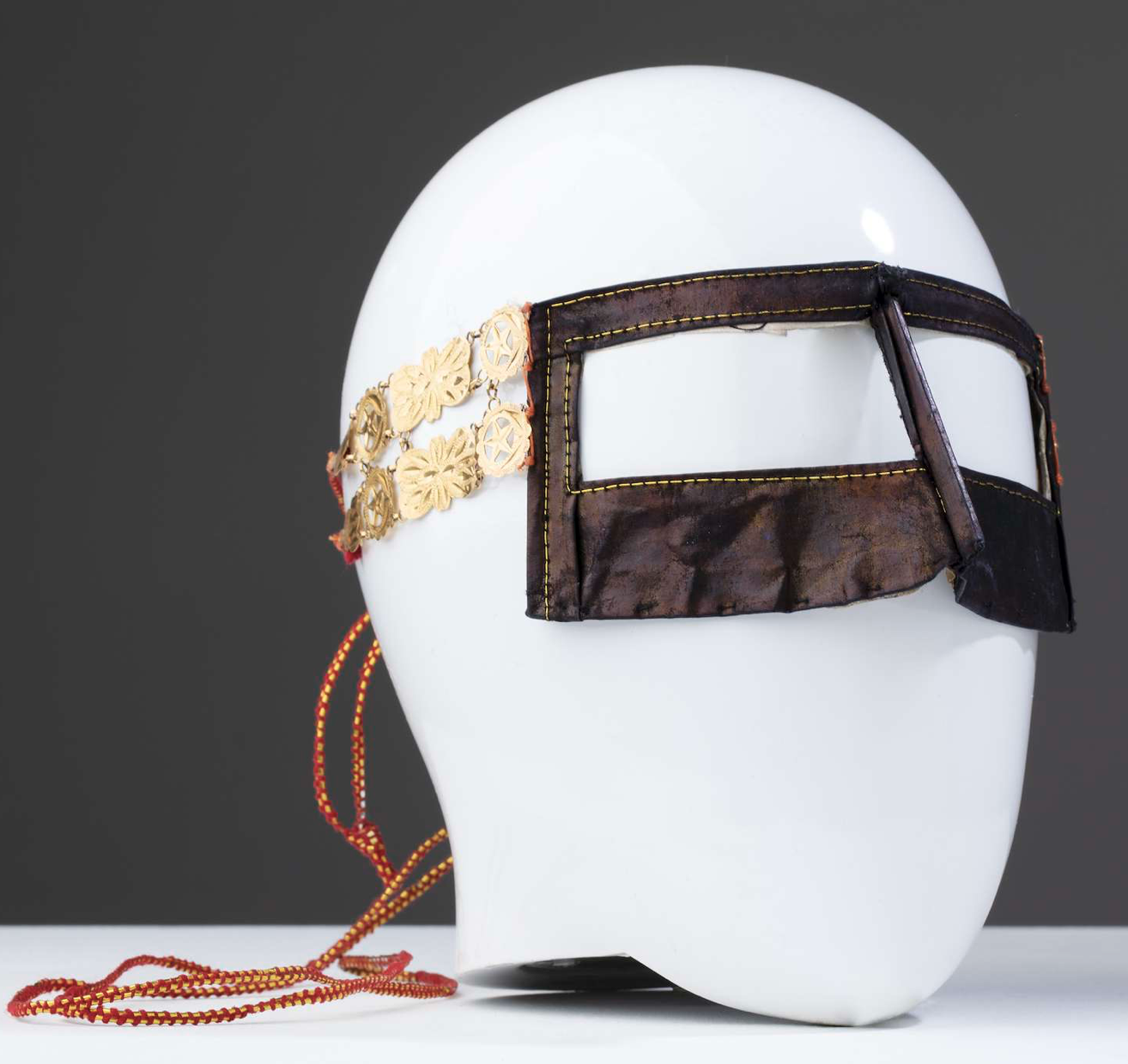
The previous instalment examined the principal procedures that provide collections professionals with a structured framework for managing and monitoring the different stages of an object’s journey within a collection. From the point of acquisition onwards, an object enters a continuing lifecycle involving multiple processes and the expertise of specialists across different areas of collections practice.
This instalment briefly revisits several other key pre-acquisition considerations before turning to the stages that follow an object’s formal acquisition. The discussion focuses on how these post-acquisition processes – including documentation, care, conservation, archiving, and use – are broadly informed by the SPECTRUM framework and adapted to the specific requirements of the collection at The Zay Zay: (Arabic: costume, Pl. azyaā’), a set of clothes in a style typical of a particular country or historical period. Initiative.
Beyond establishing an object’s relevance to the collection and its relationship to the institution’s broader mission and vison, several other fundamental pre-acquisition considerations guide the curatorial assessment. Among the most important are provenance, physical condition, and financial feasibility.
Provenance
An object under consideration for acquisition must have a sufficiently documented and ethically and legally sound provenance. This entails establishing, as far as possible, a clear history of ownership, acquisition and transfer, supported by appropriate documentation and free from known unresolved concerns or ambiguities regarding its provenance or title. In a museum context, provenance assessment is more than confirming that an object has an ownership history. It is a process of establishing, as far as reasonably possible, where an object came from, who owned it, how it was transferred, and whether its acquisition can be legally and ethically justified.
A clear assessment can therefore be described in five stages:
· Establish the ownership history
· Verify supporting documentation
· Identify gaps of uncertainties
· Assess legal or ethical considerations
· Document and record the finding
Condition Assessment
Condition assessment begins with an examination of the object’s physical state, identifying existing damage, deterioration, previous repairs, structural weaknesses and any factors that may affect the stability or safe handling. For textiles and dress objects, which constitutes the majority of The Zay Zay: (Arabic: costume, Pl. azyaā’), a set of clothes in a style typical of a particular country or historical period. Initiative’s collection, condition assessment involves examining the integrity of fibres, seams, embroidery, fastenings, dyes, surface decoration while also identifying vulnerabilities arising from environmental and material factors. Particular attention is given to exposure to light, oils and other contaminants, acidic materials, and most critically, evidence of insect or biological infestation, all of which may contribute to deterioration and compromise the long-term preservation of the object.
The assessment also considers the object’s conservation and restoration requirements, including whether immediate intervention is necessary, what type of treatment may be appropriate, and the likely resources involved. These considerations are weighed against the institution’s available conservation expertise, facilities, storage conditions and financial capacity. The purpose is not necessarily to acquire objects in perfect condition, but to establish whether their care can be responsibly undertaken and sustained over the long-term.
Where significant deterioration or complex treatment requirements are identified, specialist conservation advice may be sought before an acquisition decision is made. The findings are then documented as part of the wider acquisition assessment, allowing the institution to understand both the object’s cultural value and the practical responsibilities that its acquisition would entail.
Funding
Beyond the aforementioned pre-acquisition considerations, financial feasibility represents a fundamental component of the acquisition process. The assessment must extend beyond the initial purchase price to encompass the wider costs associated with transport, insurance, storage, conservation and ongoing care. These anticipated expenditures must be considered in relation to the organisation’s available financial resources and its capacity to sustain the long-term responsibilities associated with acquiring and caring for the object.
Museums and non-profit collections often need to plan well in advance for the financing of new acquisitions, taking into account not only the anticipated incidental costs of acquisition and subsequent care, but also the institution’s existing operational commitments. Funding for such acquisitions may be drawn from a range of sources, including government allocations for arts and cultural activities, public and private trusts and foundations, philanthropic patronage, and dedicated institutional fundraising initiatives. Larger museums may also supplement these sources through annual fundraising events and campaigns, which can provide additional support for collection development and other institutional priorities.
As a non-profit organisation, The Zay Zay: (Arabic: costume, Pl. azyaā’), a set of clothes in a style typical of a particular country or historical period. Initiative relies on a relatively small but specialised team of volunteers whose combined expertise supports the diverse processes required to maintain, research and develop the collection. Following acquisition, the processing of an object enters a further stage of collections management, broadly informed by SPECTRUM procedures. This stage begins with a post-acquisition inspection and the creation of a condition record documenting the object’s state at the point of entry into the collection.
The post-acquisition condition assessment is distinct from the inspection undertaken prior to acquisition. While the pre-acquisition assessment informs the decision to acquire an object by establishing its condition, conservation requirements and associated responsibilities and cost, the post-acquisition assessment establishes a formal record of the object’s condition following its entry into the collection. This record provides an important baseline against which any subsequent changes, damage or conservation intervention can be identified and monitored.
Temporary Identification Assignation & Inspection and Conservation
Following acquisition, the Inventory Steward, Violeta Dela Cruz, assigns the object an initial identification code or inventory number. Where and when an object requires restoration or conservation treatment before it can be formally integrated into the collection, this stage also facilitates its identification and tracking throughout the treatment process. The Zay Zay: (Arabic: costume, Pl. azyaā’), a set of clothes in a style typical of a particular country or historical period. Initiative’s Operations and Logistics Support, represented by Christeta Ardenio, coordinates the practical aspects of the post-acquisition inspection in consultation with the curatorial team.
Where conservation and restoration are required, the Operations and Logistics Support oversees the process of transferring the object to an appropriate external conservation or restoration specialist. This includes coordinating the movement of the object, supporting the necessary logistical arrangements and monitoring its progress until it can be returned to the collection. In this way, conservation treatment forms part of the broader post-acquisition workflow through which an object is assessed, documented, cared for and ultimately incorporated into the collection.
Permanent Identification (Accession Number) Assignation
Following the completion of any required restoration or conservation treatment, the object returns to the collection for formal integration. At this stage, it is assigned a permanent identification code or inventory number often referred to as the ‘accession number’, establishing its definitive place within the collection’s documentation and tracking system.
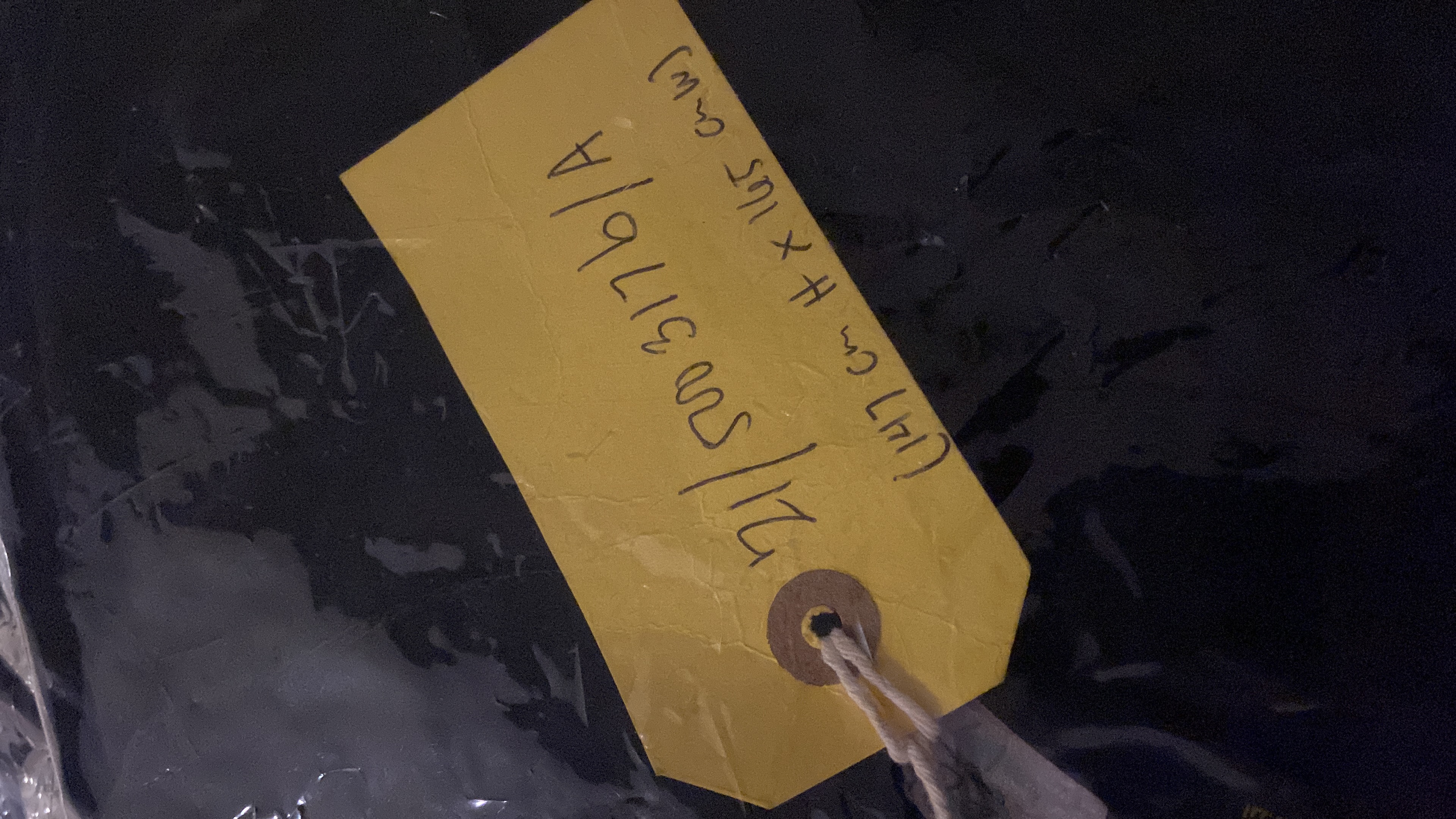
Where an acquisition consists of a single object, it may be grouped with previously acquired objects that are awaiting photography and digitisation. Where the object forms part of a larger acquisition lot, it is retained within the relevant group and numbered accordingly. Objects are then scheduled for high-resolution photography and, where required scanning as part of the collection’s digitisation workflow.
Photography, Scanning and Digitisation
High-resolution photography and scanning constitute essential components of the documentation process, providing detailed visual records that support research, identification, condition monitoring and digital access. As these services are undertaken externally and involve associated costs, The Zay Zay: (Arabic: costume, Pl. azyaā’), a set of clothes in a style typical of a particular country or historical period. Initiative organises the process in batches or lots to maximise efficiency and manage expenditure. This process applies across the collection, irrespective of an object’s condition or date of acquisition.
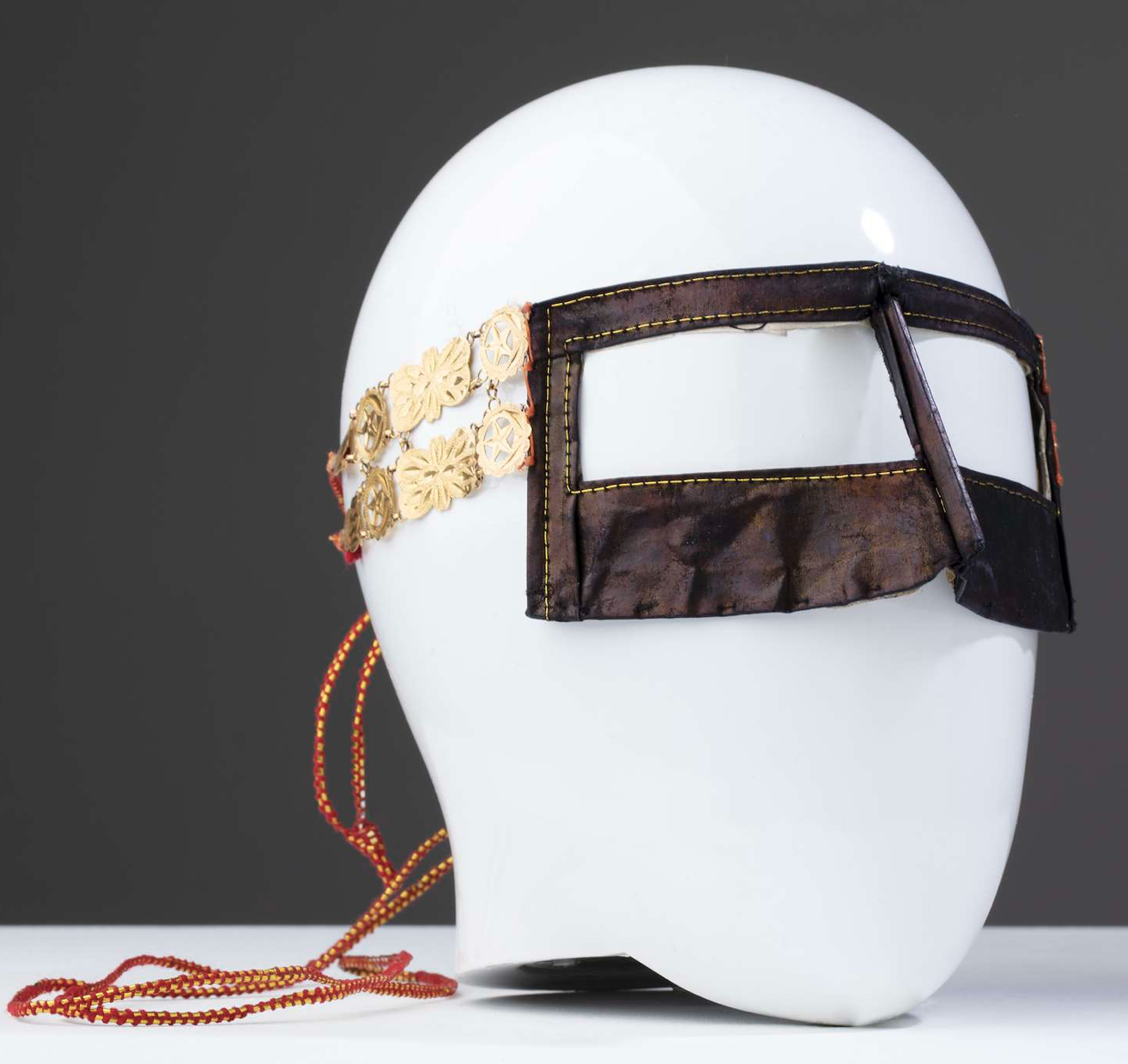
The organisation of these batches is coordinated between the Inventory Steward and Operations and Logistics Support. Importantly, the objects included in any particular photography or scanning batch are not necessarily limited to recent acquisition. A batch may also contain objects acquired at an earlier date that have remained pending digitisation. The resulting workflow therefore brings together objects at different stages of the collection lifecycle. Enabling their documentation and digitisation to proceed in a coordinated and cost-effective manner.
The processes outlined above demonstrate that an object’s entry into a collection represents not a singular event, but the beginning of an extended institutional lifecycle. From pre-acquisition assessment and provenance research through post-acquisition inspections, conservation, inventorying, photography and digitisation, each stage contributes to establishing the object as a documented, traceable component of the collection. These procedures, while often largely unseen by the public, provide the professional and material infrastructure through which an object can be preserved and made available for future research and interpretation.
Within The Zay Zay: (Arabic: costume, Pl. azyaā’), a set of clothes in a style typical of a particular country or historical period. Initiative, the completion of these stages marks an important transition in the life of an object. Once appropriately documented, conserved and integrated into the collection, it can move beyond the requirements of physical stewardship to fulfil its wider intellectual and cultural potential. Its value therefore extends beyond its material presence, encompassing the historical knowledge, research possibilities and interpretive contexts that can be developed around it.
The next segment will examine this subsequent stage of the collection lifecycle, focusing on the curatorial, research and educational uses of objects within The Zay Zay: (Arabic: costume, Pl. azyaā’), a set of clothes in a style typical of a particular country or historical period. Initiative. Particular attention will be given to how collection objects are activated through scholarship, exhibitions, interpretation, publications, and educational programs, and how these practices contribute to the generation and dissemination of knowledge.