

1 of 7
| Local Name | Shal; Futah |
| Object Category | Accessory |
| Gender | Female |
| Date of object | c. 20th century |
| Place Of orgin | Egypt |
| Region | Bahariya |
| Object Range | Egypt |
| Dimensions | Length: 152 cm Width: 220 cm |
| Materials | Silk Linen |
| Technique | Hand Stitched Woven |
| Color | |
| Motif | Geometric |
| Provenance | Purchased, Anonymous, Egypt 2022 |
| Location | The Zay Zay: (Arabic: costume, Pl. azyaā’), a set of clothes in a style typical of a particular country or historical period. Initiative |
| Status | In Storage |
| ZI number | ZI2022.501007.2 EGYPT |
Object Note
Part of a lot with two more items (ZI2022.501007.1 EGYPT and ZI2022.501007.3 EGYPT) also in the collection.
Object History
This piece was purchased by Dr. Reem Tariq
Ṭariq: (Arabic; Synonym: tulle_bi_talli
Tūlle_bi_tallī: (French: Tulle – a city in France where fine material for veil was first made; Turkish: tel – wire; Synonym: tariq; talli; badla; khus_dozi ), series of small metal knots made on a woven net ground as embellishment. The term is commonly used in the North African Arab region specifically in Egypt. Ṭariq: (Arabic; Synonym: tulle_bi_talli
Tūlle_bi_tallī: (French: Tulle – a city in France where fine material for veil was first made; Turkish: tel – wire; Synonym: tariq; talli; badla; khus_dozi ), series of small metal knots made on a woven net ground as embellishment. The term is commonly used in the North African Arab region specifically in Egypt.
Originally part of the Shahira Mehrez collection, the piece was purchased by a previous collector who remains anonymous to The Zay Zay: (Arabic: costume, Pl. azyaā’), a set of clothes in a style typical of a particular country or historical period.. Ms Mehrez graciously guided Dr Reem and The Zay Zay: (Arabic: costume, Pl. azyaā’), a set of clothes in a style typical of a particular country or historical period. in sourcing the item from them for the benefit of The Zay Zay: (Arabic: costume, Pl. azyaā’), a set of clothes in a style typical of a particular country or historical period. Initiative.
Ms. Shahira Mehrez is recognized as one of Egypt's foremost costume historians and collectors, and she serves as an honorary advisor to The Zay Zay: (Arabic: costume, Pl. azyaā’), a set of clothes in a style typical of a particular country or historical period. Initiative. Born into an affluent Egyptian family during the British occupation, Ms. Mehrez was educated in French schools, with French often being the language spoken at home. Nevertheless, her family was committed to ensuring she learned Arabic and hired a religious teacher to help her memorize the Quran.
Ms. Mehrez is the author of Costumes of Egypt: The Lost Legacies and holds a postgraduate degree in Islamic Art and Architecture, a field she pursued after discovering her passion for Egyptian heritage and folklore, despite originally earning an undergraduate degree in Chemistry. She has been deeply dedicated to preserving Egyptian handicrafts, folklore, and traditional costumes, spanning from ancient Egyptian civilization to the present day. In her efforts to expand her research, Ms. Mehrez has collected various traditional costumes from twelve different regions across Egypt.
Object Features
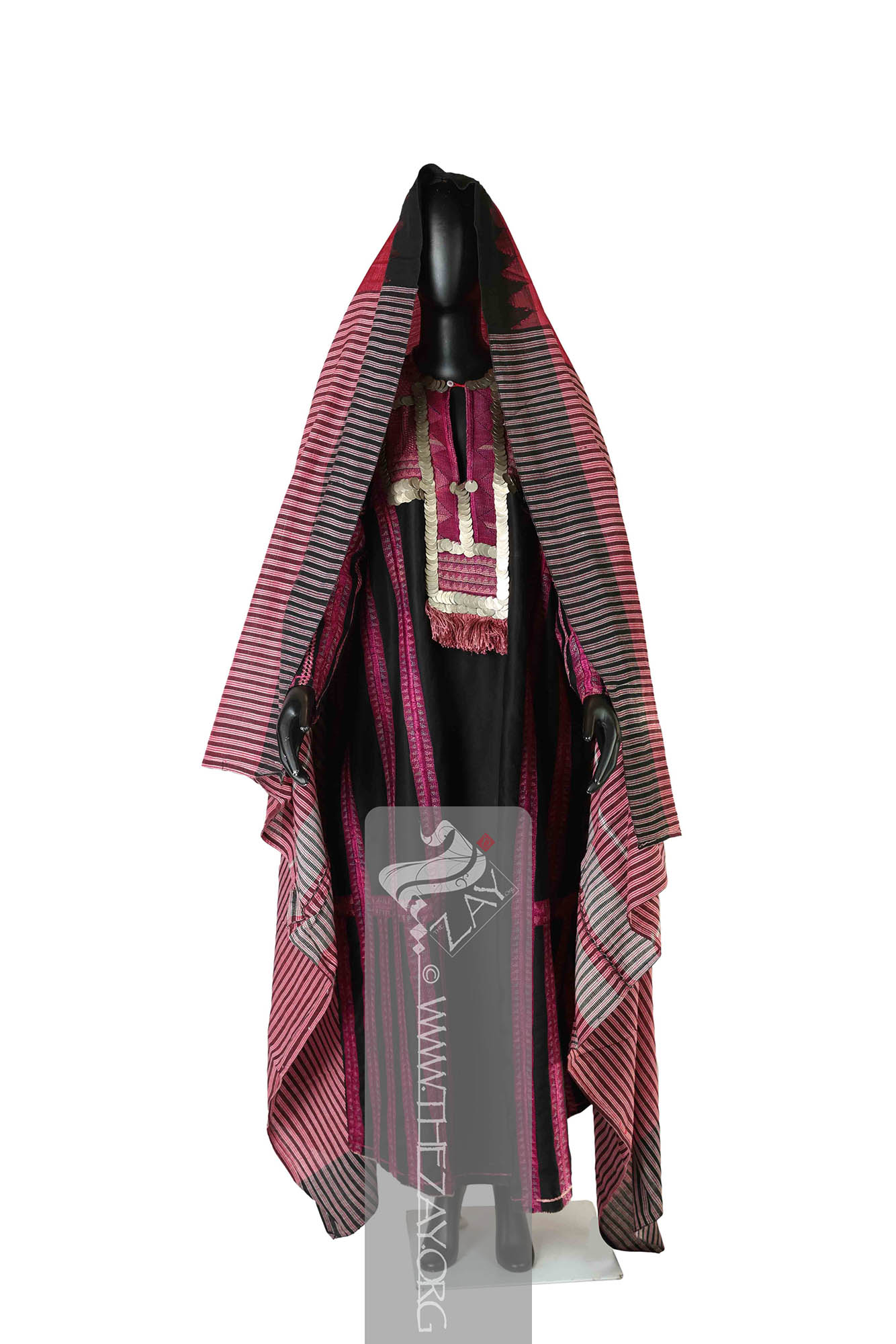
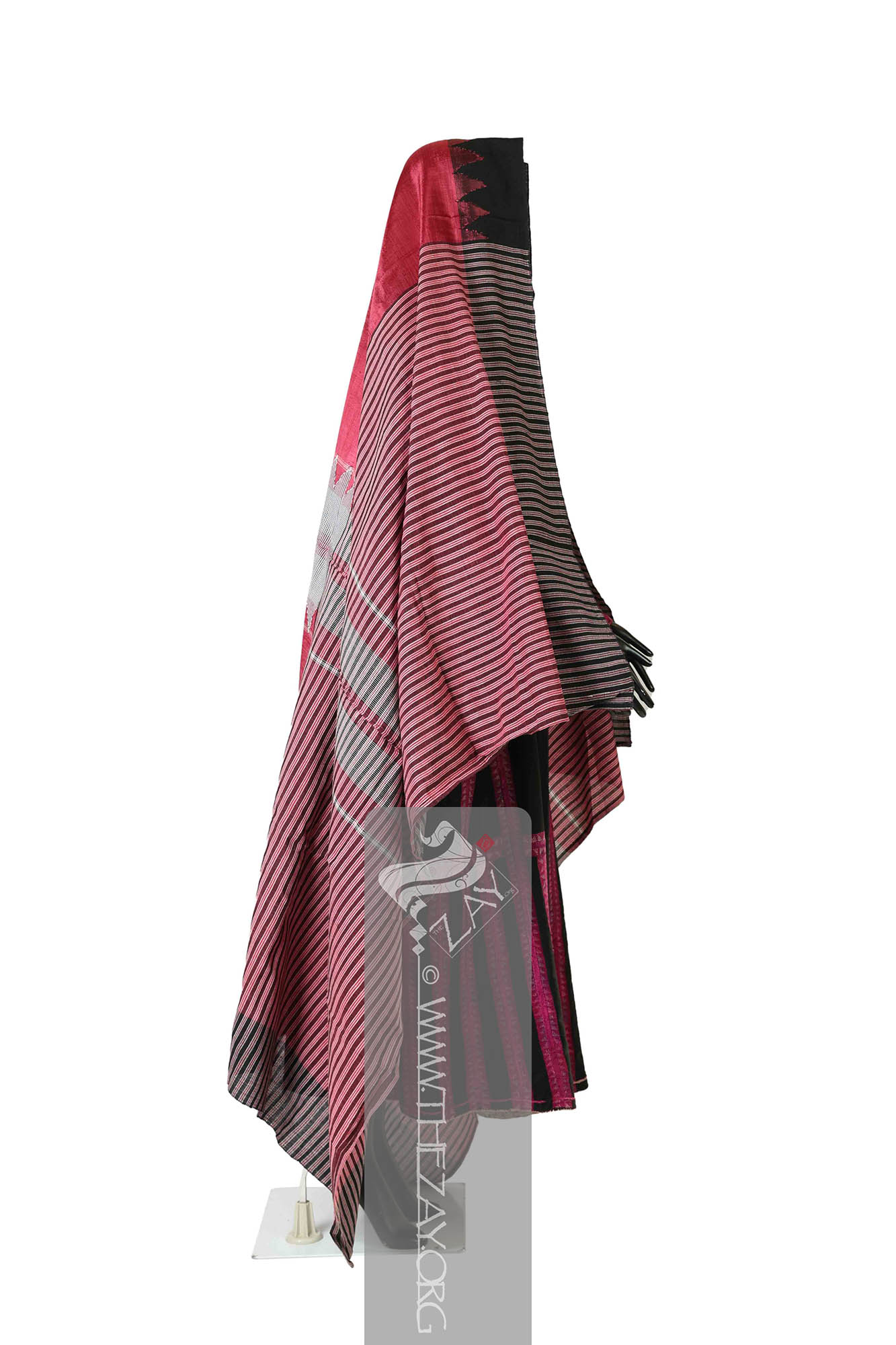
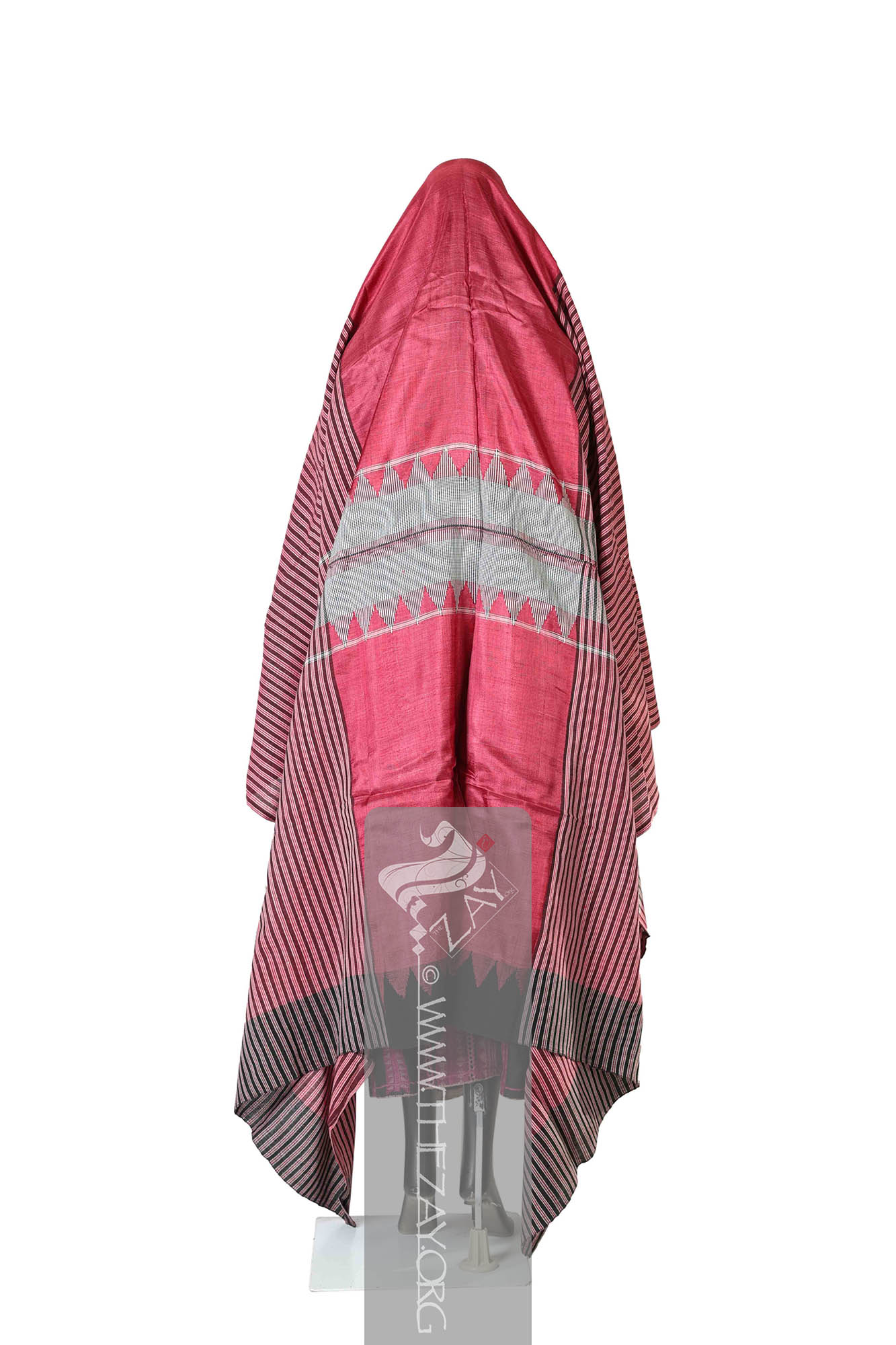
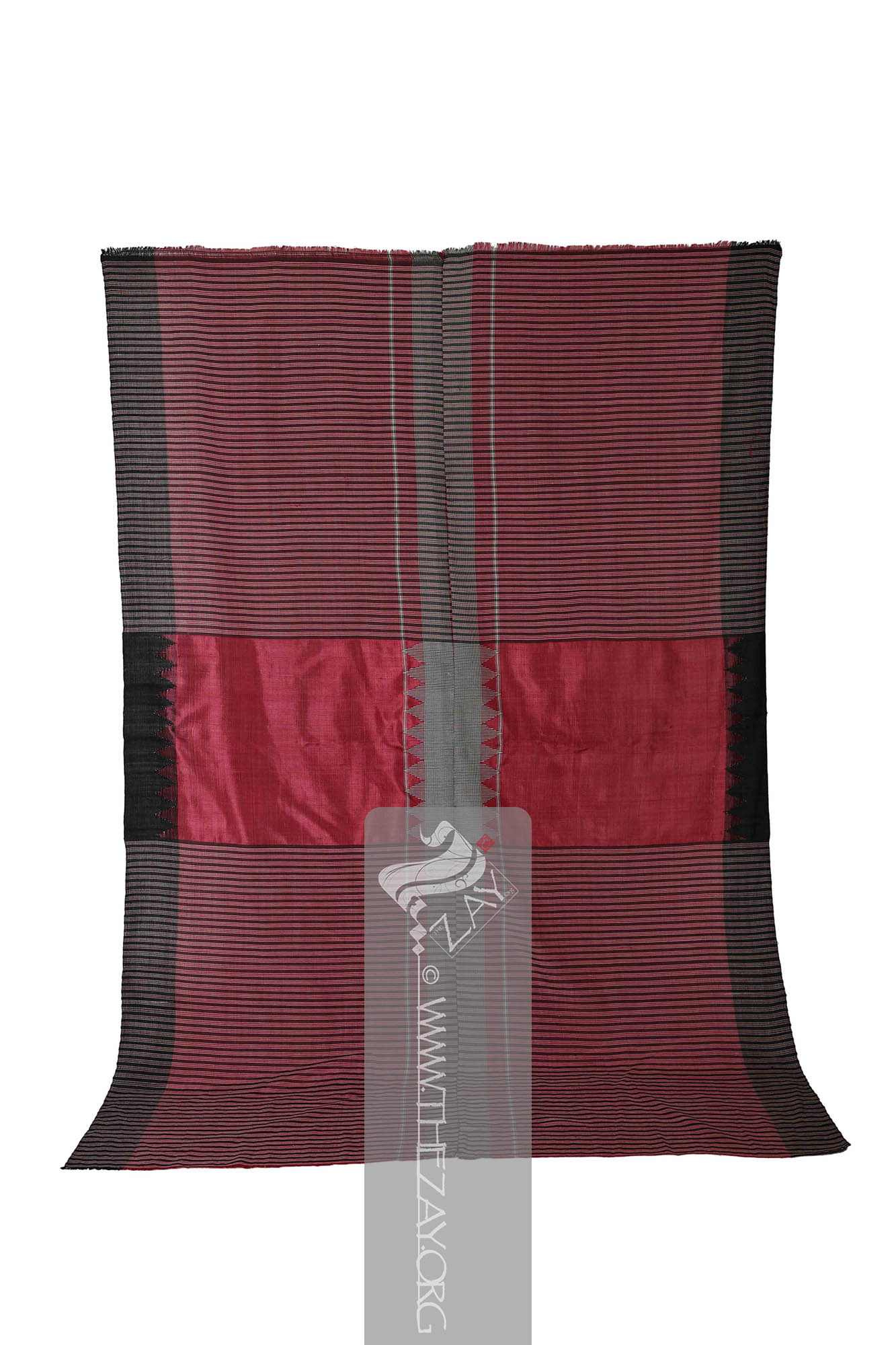
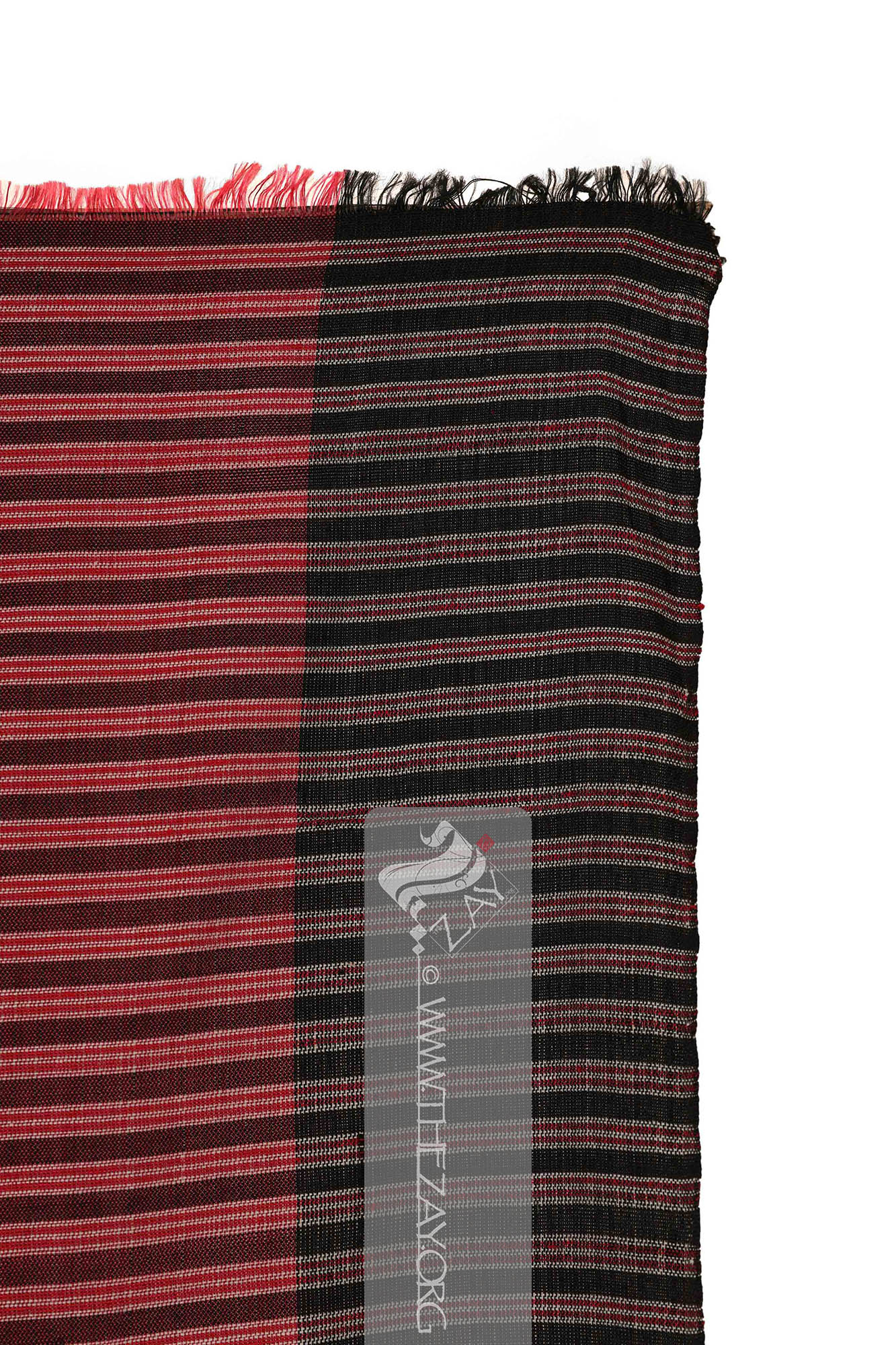
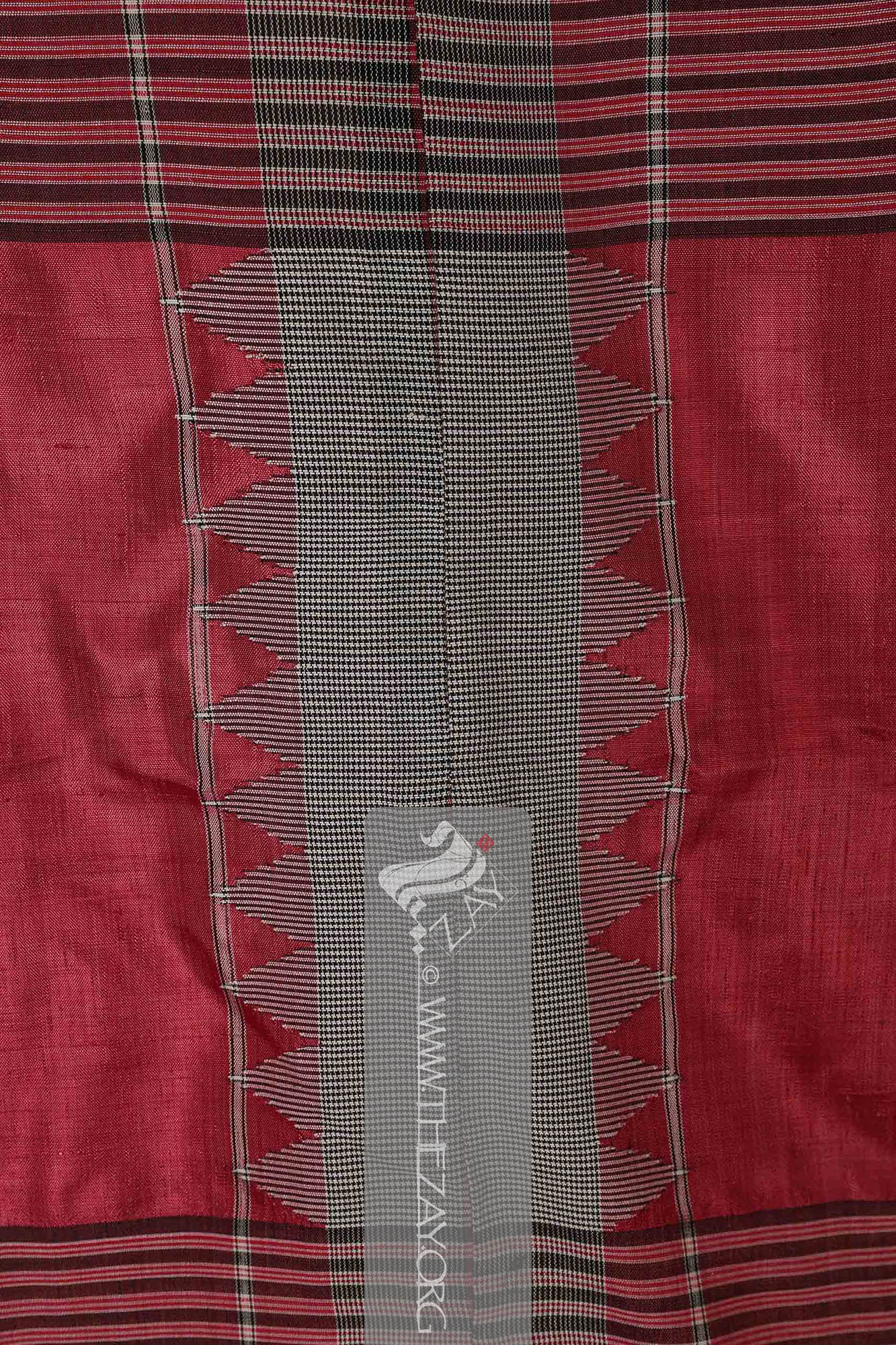
This is a rectangular panel of two identical woven linen and silk blend fabrics attached. It is possibly used as a headwear (shal Shāl: (Persian: shāl, derived from Hindi: duśālā), usually a rectangular or square piece of cloth, often folded to make a triangle, but can also be triangular in shape, loosely worn over the shoulders, upper body, and arms, and sometimes also over the head.) / (futah Fūṭah: (Arabic, Classical Persian: futa – bath wrapper), a piece of cloth that either covers the head and/or the torso of a person. ) featuring woven patterns. There are two identical pieces of the same nature.
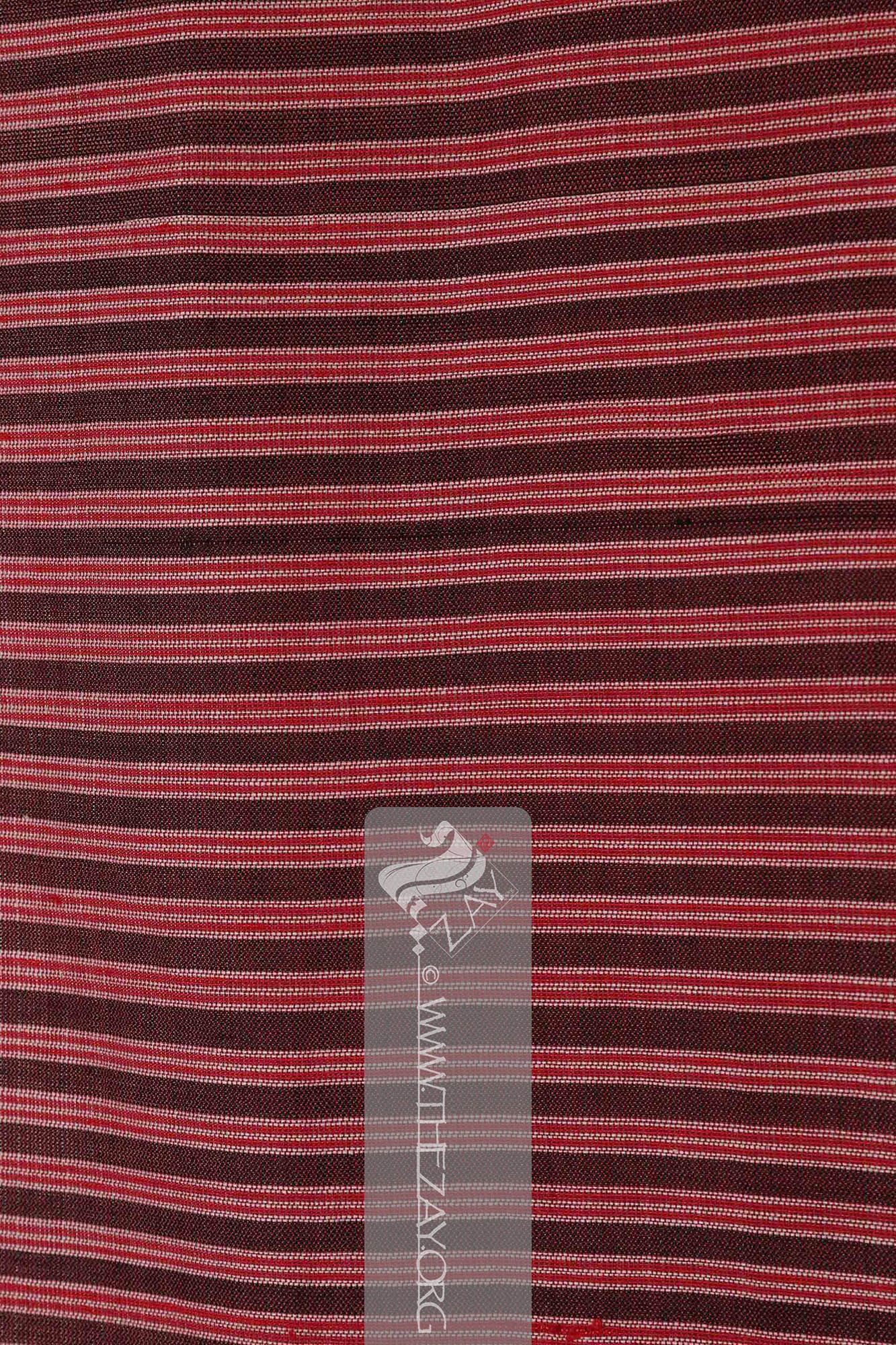
Each fabric is identically woven (selvedge Selvedge: (English: Self-finished edge or self-edge: a dialect forming transition), an edge produced on woven fabric during manufacture that prevents it from unravelling. Traditionally the term selvage applied to only loom woven fabric, presently it could be applied to flat knitted fabric too. ) to selvedge Selvedge: (English: Self-finished edge or self-edge: a dialect forming transition), an edge produced on woven fabric during manufacture that prevents it from unravelling. Traditionally the term selvage applied to only loom woven fabric, presently it could be applied to flat knitted fabric too. panel primarily with a central pink base with wide borders at the (warp Warp: One of the two basic components used in weaving which transforms thread or yarns to a piece of fabric. The warp is the set of yarns stretched longitudinally in place on a loom before the weft Weft: one of the two basic components used in weaving that transforms thread or yarns into a piece of fabric. It is the crosswise thread on a loom that is passed over and under the warp threads. is introduced during the weaving process. ) ends featuring pink, ivory, and black horizontally parallel stripes. The (weft Weft: one of the two basic components used in weaving that transforms thread or yarns into a piece of fabric. It is the crosswise thread on a loom that is passed over and under the warp threads.) ends also have broad borders but are different from the warp Warp: One of the two basic components used in weaving which transforms thread or yarns to a piece of fabric. The warp is the set of yarns stretched longitudinally in place on a loom before the weft Weft: one of the two basic components used in weaving that transforms thread or yarns into a piece of fabric. It is the crosswise thread on a loom that is passed over and under the warp threads. is introduced during the weaving process. . While one weft Weft: one of the two basic components used in weaving that transforms thread or yarns into a piece of fabric. It is the crosswise thread on a loom that is passed over and under the warp threads. end has a solid panel of black with woven repeats of a triangular pattern in red framing the central pink base, the other has an ivory and black chequered border with triangular patterns extending from it into the centre.
The two identical fabrics are hand-stitched along their weft Weft: one of the two basic components used in weaving that transforms thread or yarns into a piece of fabric. It is the crosswise thread on a loom that is passed over and under the warp threads. into a larger panel to be used as a modesty cover. Each warp Warp: One of the two basic components used in weaving which transforms thread or yarns to a piece of fabric. The warp is the set of yarns stretched longitudinally in place on a loom before the weft Weft: one of the two basic components used in weaving that transforms thread or yarns into a piece of fabric. It is the crosswise thread on a loom that is passed over and under the warp threads. is introduced during the weaving process. end has loose threads that are left unfinished to hang in a short fringe.
The construction of this piece resembles another outer wrap (tarfottet) often worn by Siwan women, but is embellished with embroidery and is often in a combination of grey and blue.
Links